Plumbing Blockage Repair in Denver, CO
Plumbing blockage repair services address issues where pipes become obstructed, causing slow drains, backups, or complete blockages in sinks, toilets, and main sewer lines. These projects often involve removing debris, grease buildup, or other obstructions that hinder proper flow within plumbing systems. Property owners typically want to understand the common causes of blockages, the signs that indicate a problem, and the steps involved in clearing the pipes to restore normal function.
Before requesting plumbing blockage repair, homeowners should consider the location and severity of the issue, as well as whether multiple fixtures are affected. It is helpful to know if there have been previous problems or recurring clogs, and to be aware of any unusual odors or slow drainage. Proper diagnosis can ensure the appropriate method of clearing the blockage, whether through drain snaking, hydro jetting, or other techniques, to effectively resolve the problem and prevent future issues.
Many property owners in Denver, CO look into Plumbing Blockage Repair for repairs, replacements, upgrades, and appearance-related improvements.
Signs Of Plumbing Blockages
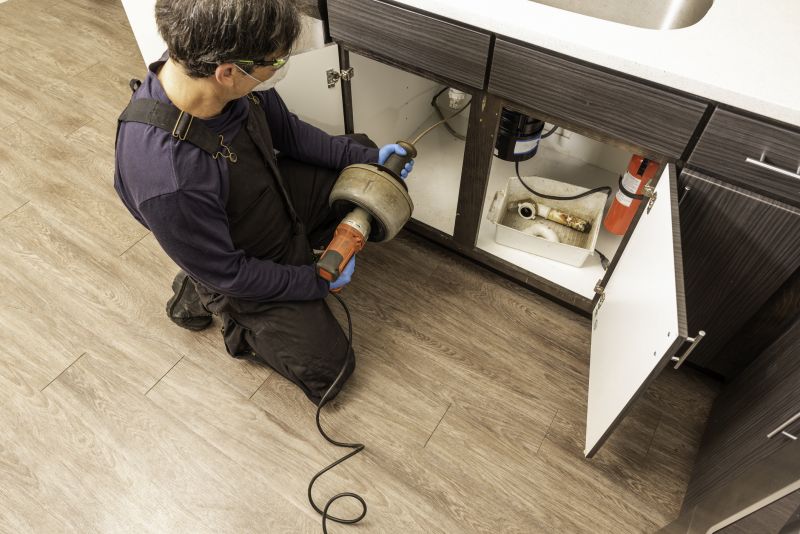
Slow drains, gurgling sounds, and foul odors can indicate a blockage in your plumbing system.
Common Causes Of Blockages
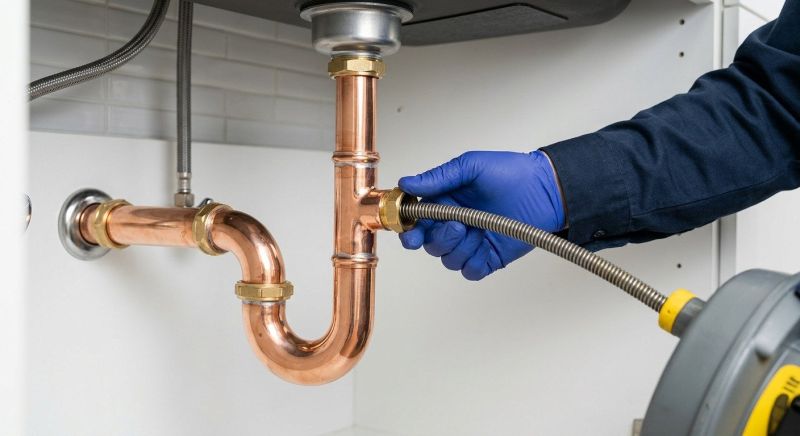
Grease buildup, hair, soap scum, and foreign objects often lead to clogs in residential and commercial pipes.
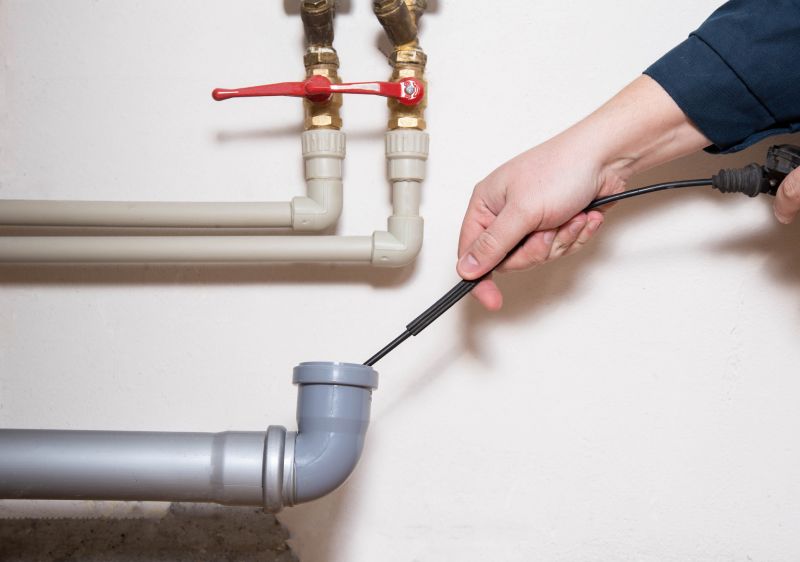
Preventive Maintenance Tips
Regular drain cleaning and mindful disposal of waste help keep plumbing systems clear and functioning smoothly in denver homes.
Plumbing Blockage Repair in Denver, CO

Plumbing blockage repair services address issues where pipes become obstructed, causing slow drains, backups, or complete blockages in sinks, toilets, and main sewer lines. These projects often involve removing debris, grease buildup, or other obstructions that hinder proper flow within plumbing systems. Property owners typically want to understand the common causes of blockages, the signs that indicate a problem, and the steps involved in clearing the pipes to restore normal function.
Before requesting plumbing blockage repair, homeowners should consider the location and severity of the issue, as well as whether multiple fixtures are affected. It is helpful to know if there have been previous problems or recurring clogs, and to be aware of any unusual odors or slow drainage. Proper diagnosis can ensure the appropriate method of clearing the blockage, whether through drain snaking, hydro jetting, or other techniques, to effectively resolve the problem and prevent future issues.
Many property owners in Denver, CO look into Plumbing Blockage Repair for repairs, replacements, upgrades, and appearance-related improvements.
Common Plumbing Blockage Repair Jobs
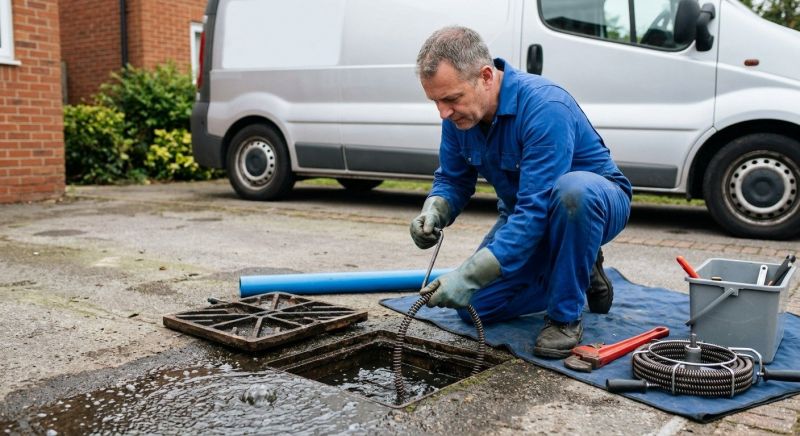
Drain Cleaning - clearing clogs to restore proper flow in sinks, toilets, and drains.
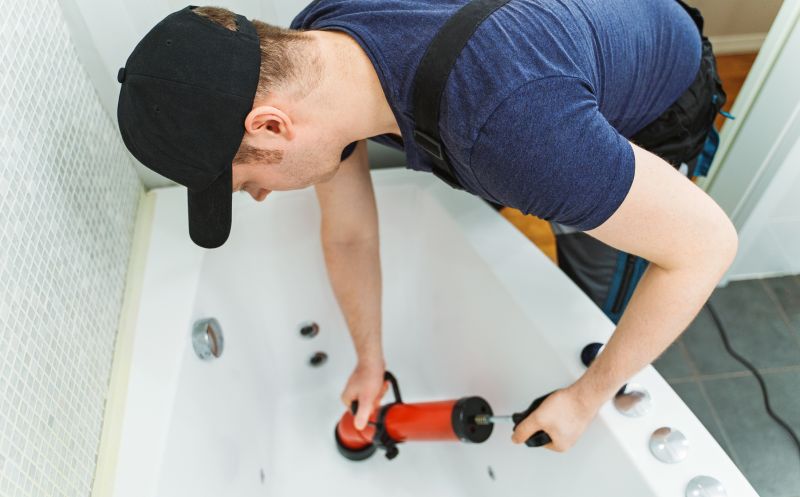
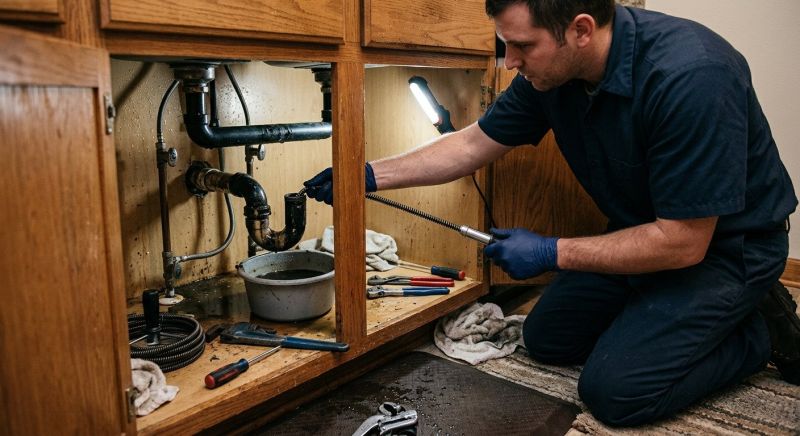
Kitchen and Bathroom Blockages - resolving stubborn obstructions in kitchen sinks and bathroom fixtures.
Main Sewer Line Repairs - addressing severe blockages that affect the entire plumbing system.
Pipe Snaking and Hydro Jetting - using advanced techniques to remove buildup and prevent future clogs.
Camera Inspection - diagnosing hidden blockages and pipe damage with video technology.
Emergency Blockage Removal - providing prompt service for sudden and severe drain backups.
Plumbing Blockage Repair Questions
What causes plumbing blockages? Common causes include hair, grease, food particles, and mineral buildup that can accumulate over time in pipes.
How can I tell if my drain is blocked? Signs include slow draining sinks or toilets, gurgling sounds, or unpleasant odors coming from the drains.
Are plumbing blockages dangerous? Yes, they can lead to water damage, foul odors, and increased wear on plumbing fixtures if not addressed promptly.
What types of projects typically require blockage repair? Blockages in kitchen sinks, bathroom drains, toilets, and main sewer lines are common reasons for repair services.
Request Plumbing Blockage Repair in Denver, CO
Use the quote form on this page to share the basics of your project and request more information for the type of work you need.